The Department of Pathology and Laboratory Medicine faculty are internationally recognized pathologists and scientists and make up an outstanding team of educators dedicated to teaching laboratory medicine. Faculty in this department participate in the medical education of students at all levels of study—undergraduates seeking associate or bachelor degrees in clinical laboratory science, cytotechnology or histotechnology; graduate students seeking PhD in experimental pathology or MS-level training as pathologists’ assistant; medical students; residents; and post-graduate-level trainees and fellows.
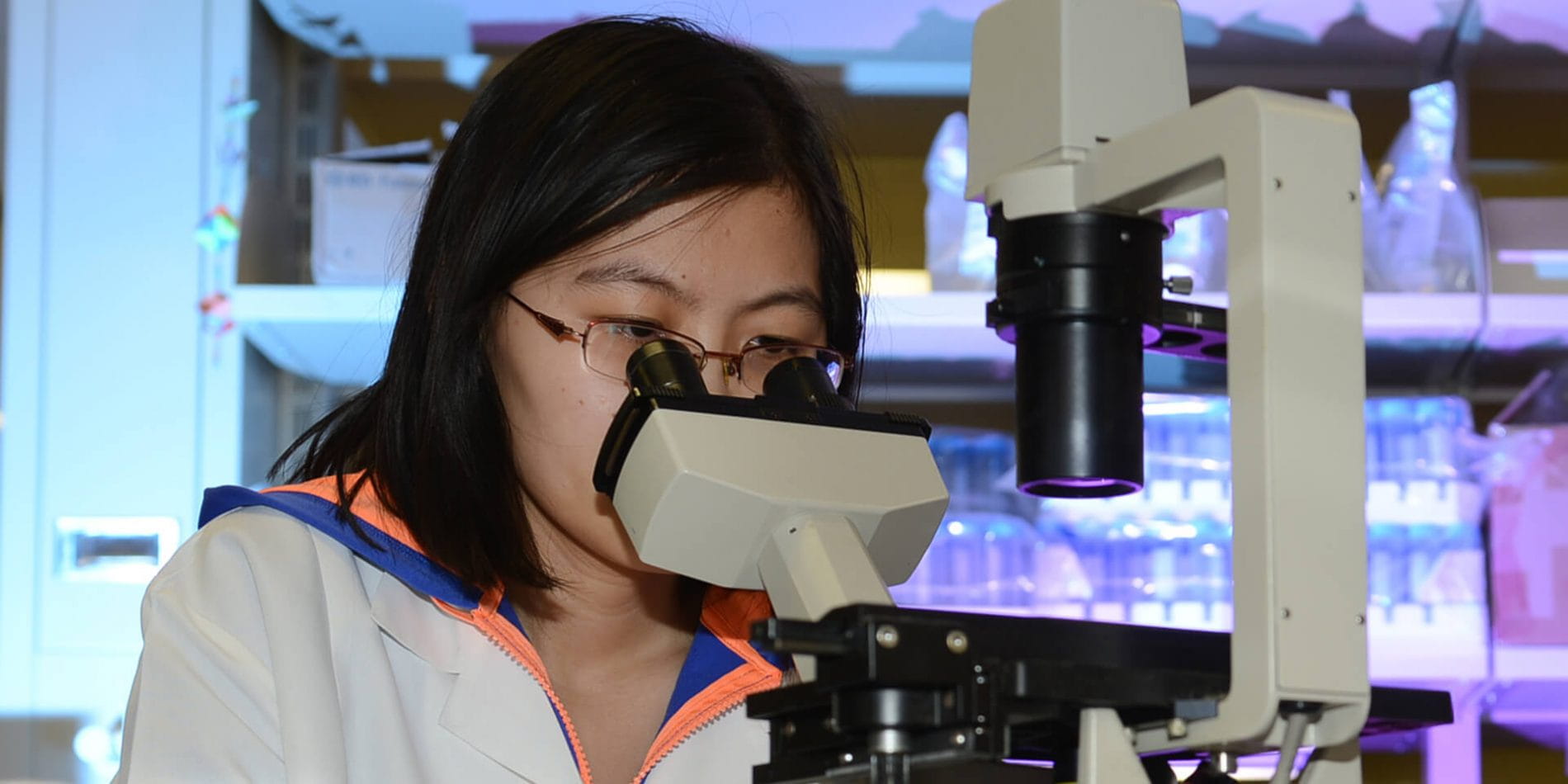
Pathology and Laboratory Medicine
Advancing pathology to identify diseases, improve treatment decisions and discover cures


Education
The Department of Pathology and Laboratory Medicine offers several education programs, including undergraduate degrees, Master of Science degree programs and a research-based PhD program.
Learn More Education

Research
The main themes of research by faculty investigators in this department are degenerative neurological diseases, cancers, tissue injury, inflammation and infection, and metabolic disturbance and stem cell.
Learn More Research

Faculty
In addition to their research interests, Department of Pathology and Laboratory Medicine faculty are committed to the training of future pathologists and lab technicians.
Learn More Faculty
1,255
Forensic Autopsies
695,000
Microbiology Tests
196,000
Molecular Cases
Faculty Spotlight

Michael Feldman, MD, PhD
Chair, Department of Pathology & Laboratory Medicine

Magdalena B. Czader, PhD, MD
Virgil Moon Professor of Pathology & Laboratory Medicine

Ryan F. Relich, PhD
Associate Professor of Clinical Pathology & Laboratory Medicine
Laboratory Data
“Over 70 percent of diagnostic and treatment decisions made by doctors are based on medical laboratory test results. Lab results give us the ability to identify diseases in their earliest stages so that we have a better chance of treating people effectively. In addition, lab tests are the keys to finding possible cures for diseases.”
Research Expertise in Cancer Biology
The Department of Pathology and Laboratory Medicine faculty’s research has been broadly involved in the understanding of the molecular mechanism of cancer biology, in the establishment of better pathology diagnosis and in the development of novel cancer therapy. There is still much to be learned regarding the pathogenesis and clinical management of metabolic disturbance. Continued research is important for advancing knowledge of cancer and to the development of effective treatment using novel approaches such as stem cells.